Transfer Station
Transfer Station
Dalton Swap Shop – click here for more information.
There is no public solid waste or recycling pickup in Dalton. Instead residents either use private haulers for their solid waste or recycling pickup or they purchase a sticker for access to the Dalton Transfer Station.
*NOTE: the Transfer station does not accept “white goods” (freezers). You can try Sayers Auto Wrecking on Potter Mt. Rd. in Lanesboro (443-5200) for the former, and the Salvation Army (448-4900) for certain TVs, and Lenox Valley WTF (637-1101) but be sure to call first.
Learn more about the Swap Shop
Composting
Why Home Composting?
Composting is the natural process of decomposition of organic material into rich soil amendment. Composting helps to reduce the amount of organics materials being thrown out in the trash. Studies indicate that most household garbage contains about 25 % organic, compostable materials! This includes, but is not limited to, fruit, vegetables, pasta, bread, tea bags, coffee grounds, eggshells, and shredded paper.
The Earth Machine compost bin helps hold in heat and moisture, keeps animals out, and looks more attractive than an open compost pile. Organic material will start to turn to compost in the bin in 3 to 6 months. Compost, known as “black gold” to gardeners, replenishes nutrients in the soil, helps retain moisture, makes the soil easy to work, and helps plants resist disease. Compost makes plants healthy so they can overcome adverse conditions without pesticides or chemical fertilizers.
Whether you choose to purchase a backyard compost bin or create your own bin, your compost bin or pile should consist of three parts “brown” material and one part “green” material. This provides food for the compost organisms in a recipe that will not create odors. “Brown” ingredients include fall leaves, straw, dried grass clippings, wood chips, sawdust, pine needles, and shredded paper products such as napkins, bags, plates, coffee filters, tissue and newspaper. “Green” materials include fresh grass clippings, weeds, fruit and vegetable scraps, coffee grounds, tea bags, eggshells, manure, and seaweed. Make sure the materials are damp as you build the pile, especially the “browns.” As you build the pile, sprinkle on several shovels full of rich garden soil or finished compost after every 12” of fresh material.
Leaves are an important ingredient of any composting effort. Without them, your compost may become too wet and create odors. If you have leaves available, use them to start your compost pile and save the rest to add during the summer. Compostable food scraps and grass clippings should be buried under about 6″ of leaves, where they will decompose without odor. If leaves are in short supply, add plenty of shredded paper towels, napkins and torn up paper bags to provide the necessary carbon, and always bury your food scraps under this material.
Most of the composting work is done by soil organisms that convert organic material to humus. They need oxygen, just as we do. Lack of oxygen will slow down the composting process and cause odors. The Earth Machine allows air to penetrate the pile. If you have a home-made compost pile, periodically turn your pile, fluff it with a hoe or turning tool, or build air passages into the pile to keep your compost pile aerobic and odor-free.
In about three months, the material will start to turn to compost. The material at the bottom of the pile will be ready first. As more time goes by, the level of compost in the pile will rise until it is easy to access just below the surface. You will know your compost is ready to use when it looks like rich, brown soil and no longer resembles the original materials.
Compost benefits all plants, and there are many ways to use it. Add a handful of compost to each transplant hole when planting seedlings or potted plants. Spread another handful on the surface of the soil around the newly planted seedling, making sure that the compost is not touching the stem or trunk of the plant. Spread compost as a mulch around perennials, shrubs, and other existing plantings. If you are planting seeds, apply one-half to three inches of compost and mix it in with the top four inches of soil in the seedbed. To rejuvenate lawns, screen your compost using 1⁄2” screening. Sprinkle the screened compost on the lawn about 1⁄4” deep. Screened compost is also excellent for reseeding lawns. Sprinkle it 1⁄2” deep over the bare spots and distribute new grass seed on top. You can even make excellent potting soil with compost by mixing equal parts compost, sand, and loam.
Click here to learn more about the Earth Machine. Click here to view Composting Guidelines. Click to here view the Composting is Easy flyer.
Visit https://www.epa.gov/recycle/composting-home for more information.
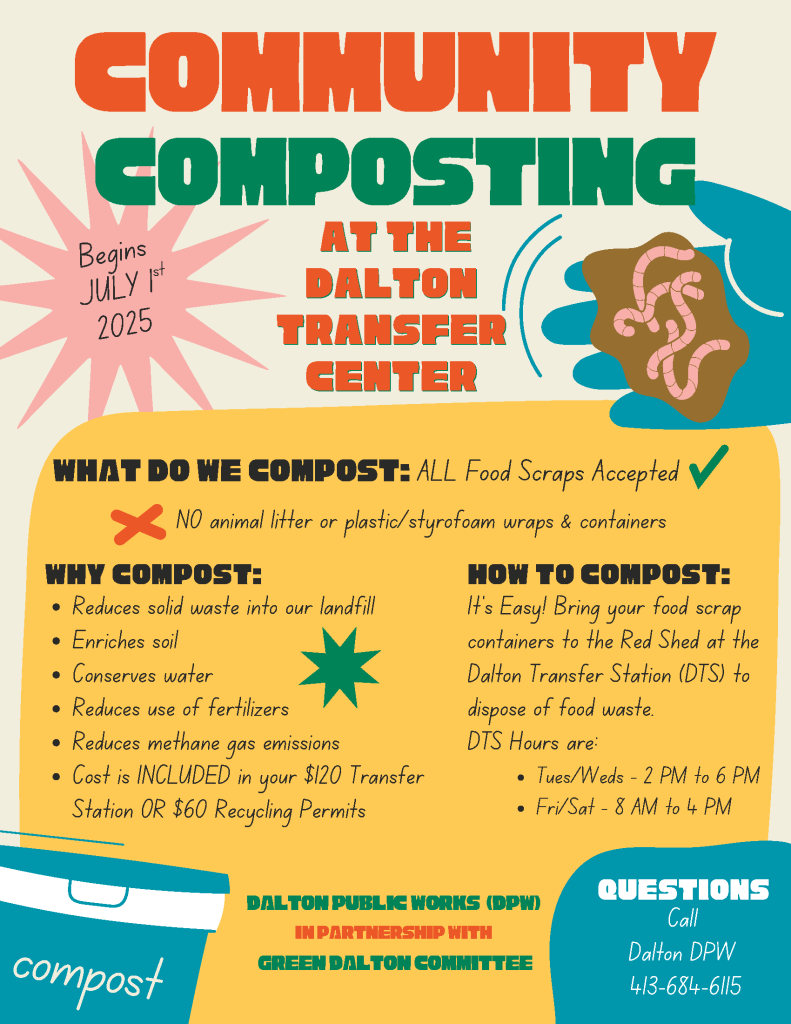
As of July 1, 2025, the Transfer Station offers Community Composting. Please click the images below to learn more.

Northern Berkshire Solid Waste Management District Events
As of July 1, 2023, the Town is now part of the Northern Berkshire Solid Waste Management District. Dalton residents can now participate in upcoming recycling events.
Northern Berkshire NBSWMD recycling holiday light strands (year long program).
Countless strands of holiday lights are thrown away because a single bulb goes out or breaks.
Broken or unwanted holiday lights can be placed in the scrap metal recycling containers located at all Northern Berkshire Solid Waste Management District transfer stations. This program is open All year long.
Northern Berkshire Solid Waste Management District is working with Sayers Scrap Metal to offer this recycling program free of charge to the district’s 14 member towns. Please place in the scrap metal recycling container.
Information regarding recycling programs on page 11 of the Reduce, Reuse, Recycle Guide https://tinyurl.com/RRRW-2025
For more information on NBSWMD and all the programs available please visit Northern Berkshire Solid Waste Management District Recycling Services in Northern Berkshire County, MA (nbswmd.com)
Reduce, Reuse, Recycle!
Click here for a useful guide: The Reduce, Reuse, Recycle Guide 2023 by New England Newspapers, Inc. – Issuu
Please see the attached 2026 calendar for scheduled events through NBSWMD: NBSW Calendar26
View the Bulky Waste price list.
Also, view the following list of events
Community Paper Shredding Events
TOWN OPERATOR OF TRANSFER STATION
The Town of Dalton took over management of the Transfer Station as of July 1, 2022. Casella Waste Systems continues to perform hauling and disposal services.
One new option will be making a transition to Stickers for bags instead of the blue bags to reduce the plastic waste. Any Blue bags residents already have will still be accepted.
Another new option is the ability to purchase Annual Car Permits and Bag Stickers, as well as Bulky Waste Items, online via the Town’s website. Residents will just need to print their receipt and take it to the Transfer Station during normal business hours:
Tuesdays & Wednesdays 2:00PM-6:00PM
Fridays & Saturdays 8:00AM-4:00PM
We are offering a 5% discount off of the first Annual Car Permit, only if purchased online. Residents can still purchase car permits and bag stickers at the Transfer Station with a check.
We are now offering Recycle Only car permits. These are for residents who ONLY want to use the Transfer Station for Recycling. Remember that if you wish to dispose of trash or bulky waste items in addition to recycling, you will need to purchase an Annual Car Permit.
To purchase annual car permits, bag stickers and bulky waste disposal online, please click https://unipaygold.unibank.com/CustomerInfo.aspx?Customerid=2232
Anyone with questions can call the Highway Department at 413-684-6111 ext. 502
COSTS FOR TRANSFER STATION USE
(for both Solid Waste and Recycling)
Vehicle stickers are required to use the transfer station for both solid waste and recycling. Stickers are available for purchase to Dalton residents from the Transfer Station Attendant or online and are valid from July 1st through June 30th . Dalton is a “Pay as you Throw” community, meaning that Bag Stickers must be attached to your garbage bags. They are available to purchase both in 30-gallon and 15-gallon sticker.
Checks should be payable to “Town of Dalton”.
FY27 Vehicle Sticker Prices (July 1, 2026 – June 30, 2027)
– $120.00 for first vehicle in household, if purchased at Transfer Station
– $114.00 for first vehicle in household, if purchased online
– $40.00 for second sticker for the same address
– If paying by check at the Transfer Station, make out checks to “Town of Dalton”
FY27 Bag Stickers (July 1, 2026 – June 30, 2027)
– 30-Gal Bag (Large) – $4.00 each ($20.00 for package of 5)
– 15-Gal Bag (Small) – $3.00 each ($15.00 for package of 5)
As of November 1, 2022, Mattresses and Textiles will no longer be allowed in the trash
– Mattresses/ box springs: $40 for recyclable/ $150 for non-recyclable
– Textiles: FREE
Please click HERE for details
Bulky Items
The Transfer Station accepts some bulky waste items at a per item cost. Note that it does not accept items containing CFCs. Refer to “OTHER WASTE ITEMS” (below) for more information on items not included in list. Click here for a price list.
Televisions
The Dalton Transfer Station now accepts Televisions for recycling for $30 each. Checks should be made payable to the Town of Dalton
Recycling
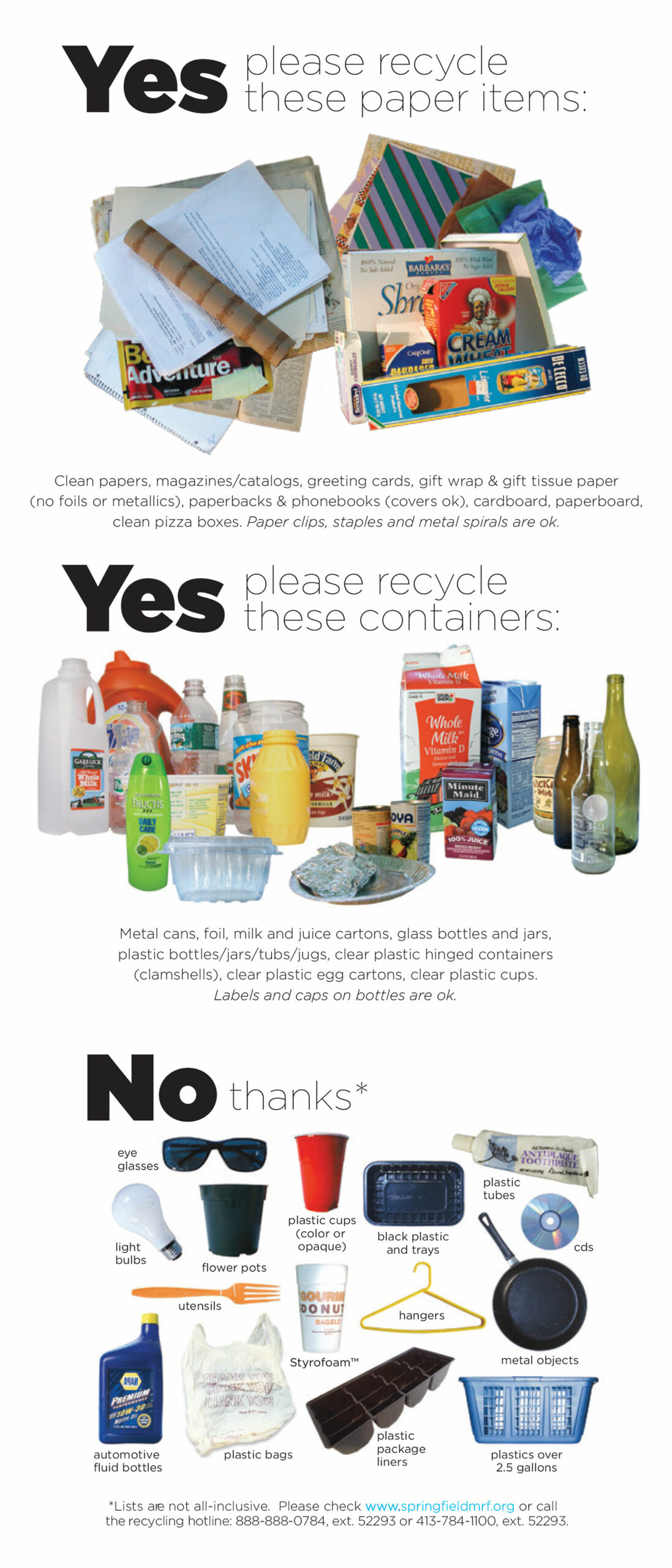
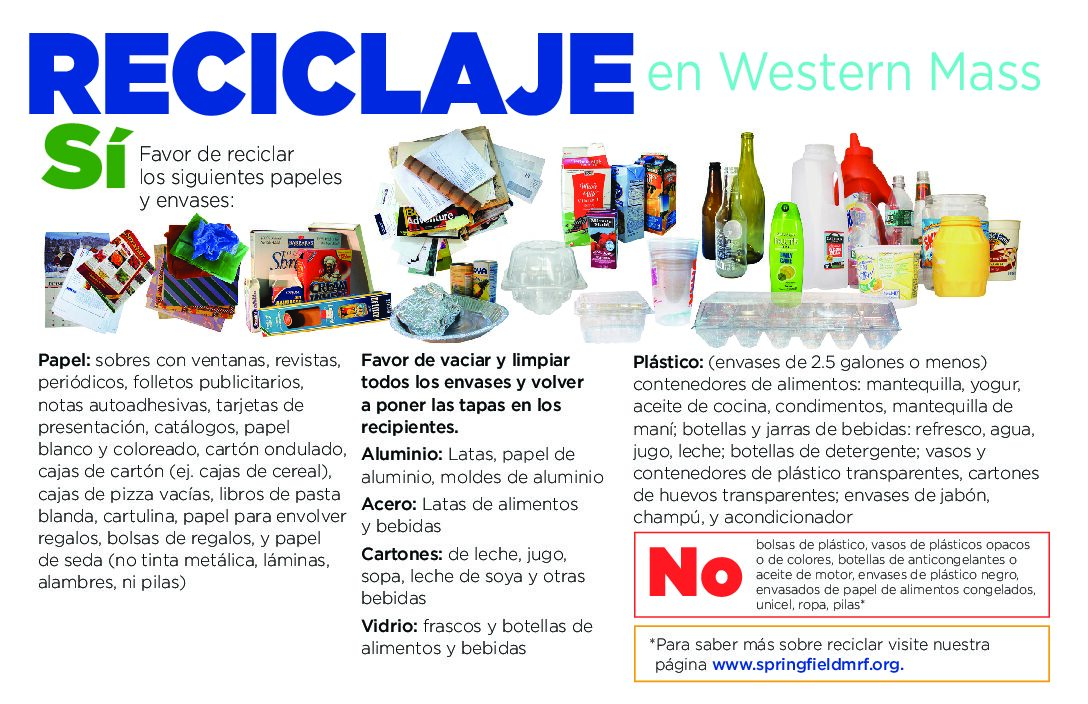
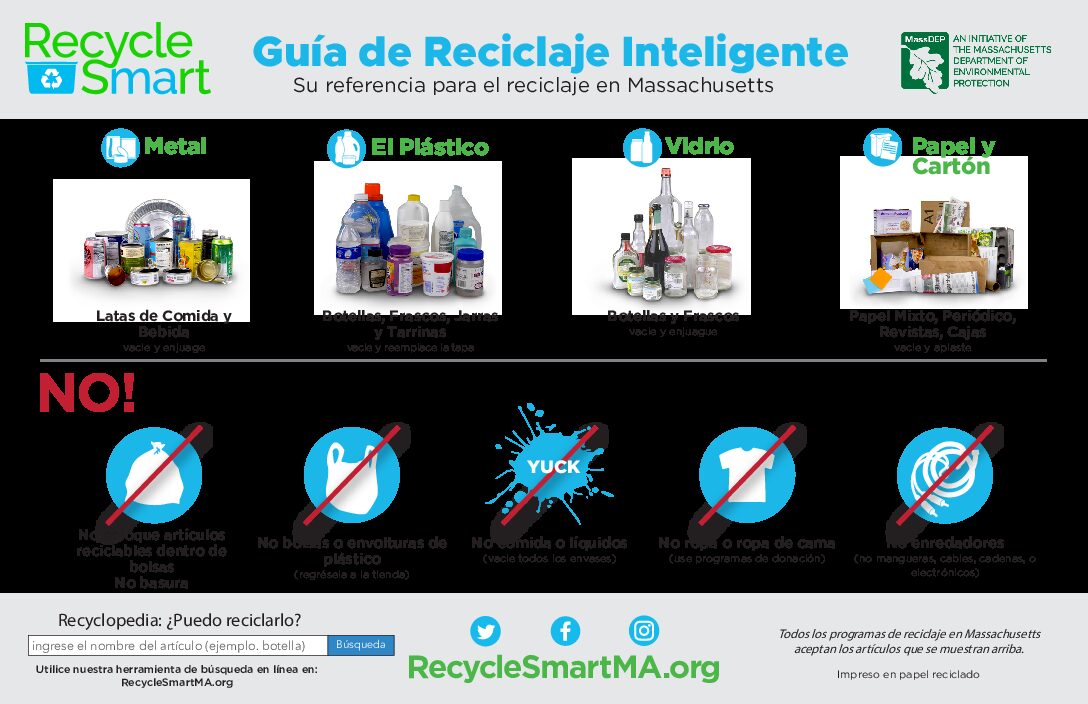
Residents are required to purchase a sticker in order to recycle at the Dalton Transfer Station which gives residents unlimited recycling access at no additional charge. Click here for a detailed list of recyclables.
For information on recyclables that cannot go in your recycling bin, please visit Beyond the Bin Search | Recycle Smart (recyclesmartma.org)
OTHER WASTE ITEMS
Household Hazardous Waste
The Dalton Transfer Station does not accept Household Hazardous Waste (HHW). Instead, Dalton works with neighboring towns to provide at least one HHW day a year to Dalton residents at no charge, usually in the Fall.
Concrete – Residents can contact Lenox Valley WTF (413 637-1101) for pricing and logistics.
Items with CFCs – The transfer station does not accept refrigerators, freezers or AC units that are charged with CFC
Car Batteries are accepted at most auto part stores. Call ahead to see if there is a fee.